
Ebola and “One Health”



By Jaanu and Vinaya
It began in the tropical heat of 1976 in Yandongi Village, Zaire, a country which, today, is the Democratic Republic of the Congo. The headmaster of the local mission school had taken a two-week vacation north of his hometown, and purchased meat products on the way home: antelope and smoked monkey meat. Four days later, on the 26th of August, 1976, he presented to the Yambuku Mission Hospital with chills and fever.
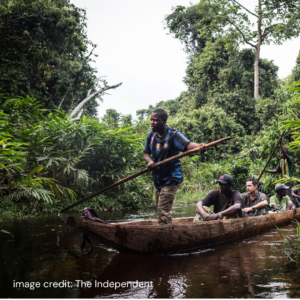 The concerned Congolese medical staff methodically tested for malaria, typhoid, or yellow fever. No, no, no, but the man seemed to respond to anti-malarial drugs. It was a temporary respite. He returned a week later with intestinal bleeding and severe pain. By early September, dozens of others at the 120-bed hospital had succumbed to the same bloody fever. The disease was named after a local river: Ebola. Ebola virus highlights the intersection of animals, human and environmental health. The primary reservoir of the Ebola virus is believed to be fruit bats that transmit the virus to other wildlife such as monkeys and antelopes, or directly to humans through the bite of an infected animal. Once primarily a disease of animals, hunting and diminishing wildlife habitats has rapidly increased interspecies disease transmission. But accidents still happen. The 2013-2016 Ebola outbreak began when a little boy in Guinea came in contact with an old, bat-infested tree. Prevention and control of Ebola requires addressing conflict, displacement, and environmental concern, which in turn needs global support. Our interests are wholly intertwined with the Earth’s! 🌍