Alternatives to Coffee



By Jaanu
3 out of every 4 caffeine consumers drink coffee at least once a day. Coffee is a popular drink for the same obvious reasons that it pervades most categories of consumer products from candles to cleaning equipment. It has a distinctive scent and flavor, and it makes many drinkers feel more energized because caffeine masks sensations of drowsiness. Some studies show that drinking coffee 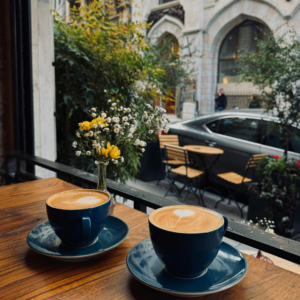 can help your brain process complex information. Coffees also offer a reassuring sense of ritual to breakfast enthusiasts. Cafés are social hubs in many cities, and having many options from black to flat white keeps coffee interesting even to seasoned drinkers.
But this “psychostimulant” has some negative side effects. Most people underestimate the amount of coffee it is safe to have each day. While preferred caffeine sources vary by geography and age group, coffee is still the most popular overall— and many people are more likely to overdo coffee than they are to drink too many energy drinks, simply because it is a trusted and age-old accompaniment to breakfast and the morning paper. This may also be the reason many people continue to drink coffee even when it gives them the “jitters.”
400 milligrams (mg) of caffeine daily is the expert-recommended daily limit, so if you drink more than that, it may be the reason for exacerbated feelings of anxiety or coffee jitters. Researchers at Xuzhou Medical University in China identified an association between caffeine intake of greater than 400 mg per day “with an elevated risk of anxiety in healthy individuals without psychiatric disorders”.
If you’re used to coffee but uncomfortable with sensations of anxiety or jitteriness that come with it, maybe it’s time to switch to an alternate drink. Different drinks contain different amounts of caffeine. It’s worth knowing the difference: 12 ounces of black coffee has up to 247 mg caffeine, while 12 ounces of black tea has only 71 mg. Black tea can be enhanced with numerous flavors. Popular cultivars include Indian chai (itself an umbrella term for masala, ginger, and cardamom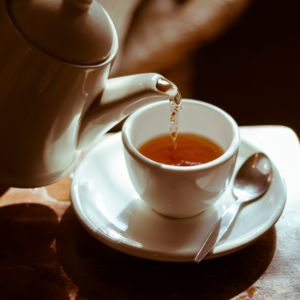 teas, among others), Earl Grey and the lighter Lady Grey variety, and English breakfast tea.
Green and herbal teas are often caffeine free but can fill the void of a warm drink in the mornings. Green tea, brewed with loose leaves or tea bags, can be fancied up with add-ins such as dried fruit and herbal additives like dried red clover. Herbal teas span a wide range: hibiscus and jasmine tea are among my favorite options. Caffeine-free sugary drinks are often a Pandora’s box. Novelty drinks often are heavy with calories and can be an expensive habit. Preparing equivalents at home can be a good idea: a homemade hot chocolate is a rich substitution for coffee now and again. “Golden milk” is a shocking new trend. This mix of turmeric, honey, saffron, and other spices in milk is essentially a dressed-up version of “manjal paal,” an Indian home remedy concoction I always dreaded after falling sick. It seems to be winning hearts, so if you’re ready to move beyond coffee, give it a try. Delicious alternatives do exist! ☕️