
How to Eat Protein as a Vegetarian in College



How to Eat Protein as a Vegetarian in College
By Jaanu
It’s important to eat protein at all or most meals because our cells use proteins for nearly everything: from intracellular messaging to rebuilding muscle and tissue in the body. Unlike carbohydrates or fat, which can be stored in the body for longer periods of time, proteins can’t be preserved. Excess protein is burned or stored as fat.
A common misconception about eating protein is that only people who exercise a lot should prioritize it. This couldn’t be farther from the truth: muscle mass is important for everyone, and undereating protein can really hurt one’s energy reserves. Proteins are made up of amino acids. One amino acid, leucine, is a particularly important activator of the mTOR growth pathway, a cellular process that builds up and repairs muscle. Keeping muscles strong is a way to prevent injury and keep bones strong too.
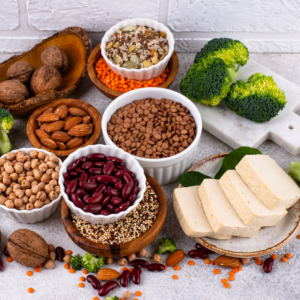 Hopefully, I’ve convinced you to prioritize protein if you don’t already eat a lot of it. But some of our esteemed readers might be wondering what sources of protein to turn to. This problem became more of a big one to me when I moved to college and became responsible for sourcing my own meals and ingredients.
I’m a vegetarian who doesn’t eat eggs, and I always worried that I am not getting enough protein because I tended to associate it with meat and fish. But there are a lot of healthy, vegetarian foods that are very rich in protein, and quite easy to incorporate into one’s diet, no matter how busy you are. These protein sources are also inexpensive. It takes a little bit of careful planning to replace ordinary carbs (which are easy to come by) with protein sources, which are usually similarly tasty and much healthier.
Let’s start with breakfast. This is usually my favorite meal of the day, because I rarely use my phone until after breakfast. I like to sit down with a nice breakfast bowl and start the day on a reflective note. Breakfast is also a tricky meal, and I often succumb to the trap of carbs because the tastiest offerings at our dining hall are usually breakfast potatoes: they always make home fries and tater tots. Pancakes, another breakfast staple, are also fully carbohydrate based. In India, a common breakfast staple is kanji, a rice porridge. Cereal is also convenient breakfast… Carbs upon carbs!
The key to my escape from this carb-laden cycle is one magic ingredient: Greek yogurt. I never liked  Chobani much, but my mom started making our own homemade version earlier this year. If your culinary adventures haven’t brought you that far just yet, Trader Joe’s has a delicious and inexpensive alternative: their Thick and Creamy Greek Yogurt is cheap and comes true to the name. They also have smaller daily cups of yogurt which (currently, in 2026) sell for 99 cents per cup.
If you want to stick to your trusted oatmeal, consider adding protein-rich ingredients to your usual mix. Using soy milk instead of regular milk or adding peanut butter increases the grams of protein you’re consuming each day. My brother likes adding protein power to a morning smoothie.
Lunch may seem like a trickier meal, but I urge you to reflect on the dishes that you may already be eating or meal prepping. One of my favorite dishes to take to work is a simple vegetable fried rice with toasted tofu or soya wadi (a pack of the latter, which are soy nuggets, can be purchased for less than $10 at any Indian grocery store – again, this price reflects 2026 and I can’t speak for inflation, future readers). My mom has also started swapping rice in lunch dishes with quinoa, which is a “complete protein” — containing all the “essential” amino acids.
One of my friends at college makes the odd and questionable decision of accompanying his ordinary meals with a cup of plain cottage cheese. It looks kind of strange, I’ll be frank, and he is the first to acknowledge that he would judge anyone else eating cottage cheese alone. However, the fact remains that it is quite a good source of protein. I started eating salads in college, and I still don’t love arugula. But my go-to salad recipe is pretty protein rich, and pretty tasty, if I say so myself: mix spinach, chickpeas, green bell peppers, fresh peas, hummus, and feta cheese.
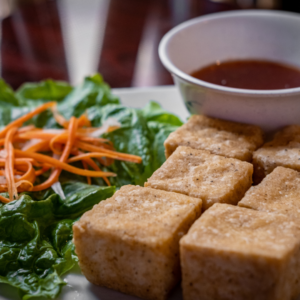 Dinner is somehow the hardest and yet the easiest meal to include vegetarian protein sources. Pan-seared tofu alongside a curry or stir-fried vegetables is truly an elite combination. As a proud Indian American, I am required to endorse paneer with spinach (palak paneer) or other gravies. The Cypriot alternative to paneer in savory dishes is halloumi, a firm cheese. Soya wadi is also a great replacement for “meat” in dishes like tacos or chimichanga.
For dessert, you might like to try a chia pudding, or pumpkin seed banana bread. Add a little butter to the latter, and eating more protein will simply feel divine. 🫛