
Why Elizabeth Blackwell Was Extraordinary



By Jaanu
I recently read Rachel Baker’s biography of Elizabeth Blackwell, titled The First Woman Doctor. It was a moving, inspiring read, because I can thank the extraordinary Elizabeth Blackwell for my position today: being a medical student in the United States. If she hadn’t been the first woman to earn her MD in the US, someone else eventually would have come along and broken that glass ceiling, no doubt. But Baker’s exceptional storytelling helped me see how hard it must have been to be the first and has given me a keener sense of gratitude and responsibility to make the most of the sacred degree of medicine in my career.
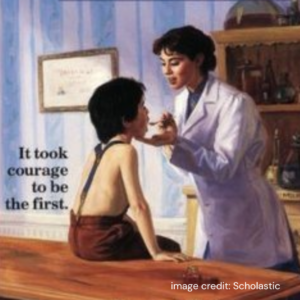 The book’s caption says it all: it took courage to be the first. Blackwell had to fight hard for a spot in any medical school. She traveled around the country, teaching and tutoring to save money to take medical school exams of the time. It was hard for a woman to do that alone, in the 1830s and 40s.
I have probably sent at least 100 cold emails seeking research exposure, shadowing opportunities, and even more if you count LinkedIn. Many of these emails have gone unanswered, but at least no one is surprised that a female is sending them. Blackwell’s contacts often laughed at her, and many were not only surprised but disgruntled and disdainful that she could even conceive of a woman entering the medical field. But raised by a father who believed firmly in her ability to do anything and supported by brothers and sisters who would do anything for her, Blackwell was determined to try until she gained admission to a medical school.
It sounds glamorous, but it was really a slog. Blackwell didn’t love being a governess, and she spent evenings poring over medical texts and studying anatomy when she must have been exhausted from long days of teachings. Even after Geneva Medical College admitted her, she had to rely on kind mentors and her own absolute stoicism to be accepted by her peers and professors. If she’d failed, all women would have been discouraged from medicine for even longer.
Blackwell studied French and traveled to La Maternité, a notoriously harsh teaching hospital serving women and infants in Paris. It must have stung, a bit, for her male counterparts to be landing medical positions across the US while she, whose marks were better than many of them, had to work as a 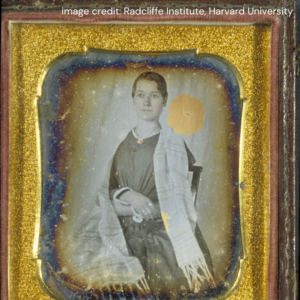 midwife in gloomy conditions, far too over-qualified for La Maternité.
Her dream was to be a surgeon, but she lost an eye caring for a patient with the infectious so-called “prurient ophthalmia” and was forced to return to the U.S.
She was indomitable. These setbacks were discouraging, were heart-breaking, but she found new ways to use her gifts in the service of others.
I may be looking at Blackwell’s story with rose-tinted lenses and the ardor of a disciple following 2 centuries after she paved the way. I still worry about being a woman in surgery; if it will be possible to “have it all” in such a challenging discipline. I feel anticipation and excitement about working with patients very soon. And Blackwell’s story fills me with humility and gratitude for those who walked this hard path first. 🩺