
Autumn is for Asian Pear



Autumn is for Asian Pear
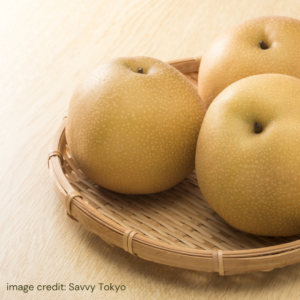 “Fibrous, filling, floral and phenomenal…” is how the Philadelphia Orchard Project describes the Asian pear. It’s been a popular and ubiquitous fruit in culinary circles for decades, considered the pear for those who hate pears, the pear for those who love pears, and the pear for those who think pears are “just ehh.”
Native to China and Japan, Asian pear immigrated to the United States in 1820, planted by a pear enthusiast in Flushing, NY. When ripe, they’re a dull brown color, extremely juicy, and with an aromatic pear flavor. A great choice for baking and for pear-focused desserts because of the rich and delicious! And just in case you still need to be convinced to give this fruit a try:
- Asian pears contain an array of important polyphenols, which help reduce oxidative stress and reduce unnecessary inflammation in the cell by reducing the activity of pro-inflammatory cytokines (proteins which encourage inflammation!)
- Extracts from the peels of Asian pears have been shown to reduce sugar levels in the blood, similar to hypoglycemic drugs that inhibit proteins which break carbohydrates into glucose.
- Flavonoids contained in pears are natural antimicrobial defenders against pathogen invaders and other infections.
- They’re rich in fiber, making them not only delicious but also very filling. 🍐