
Loneliness and Friendship



Loneliness and Friendship
“Everyone feels lonely from time to time: when we have no one to sit next to at lunch, when we move to a new city, or when nobody has time for us at the weekend. But over the last few decades, this occasional feeling has become chronic for millions.” ~ Kurzgesagt, Loneliness
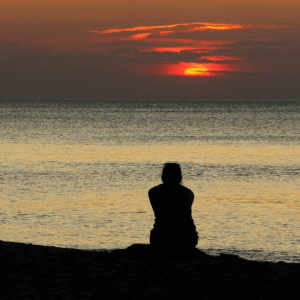 It’s not always easy to form connections. Yet friendship is a well-studied and well-understood phenomenon. Many scientists and writers have highlighted the recipe for forming what we define as friendship: long, casual periods of time spent together, during which we get to know our friends. This is why it is so easy to form friendships during school and college: schedules overlap tremendously, and every day presents numerous hours of opportunity for these casual hangouts when friendships form.
But there are always confounding crises in forming friendships. Young people in the 1910s and 1930-40s were torn apart as some went to fight in the World Wars and others waited and mourned back home. Today, people have to navigate the aftershocks of the Covid-19 pandemic. For years, kids were unable to mingle with peers and couldn’t develop essential social skills. Everyone deals with FOMO, or the fear of missing out, as social media takes off. Online interaction, while it can be nice and satisfying, does not replace interaction in real life. And, when social media presents a seemingly better life for everyone else, it can be hard to push oneself to meet friends, especially when schedules change. The grass always looks greener.
However, as a wise person once said, the grass is greenest where you water it. It can be immensely difficult to put in the effort and time required to cultivate genuine friendships when schedules for adults and older teens are much more noncomplementary. A lot of research shows that proximity is the most important factor in driving friendship most of the time. While at college, you get to meet all kinds of people and can navigate whom who choose to spend time with. However, many people will befriend their roommates and floormates simply because of proximity and time spent together, rather than because these friends are a complementary fit. So loneliness can be felt even when one is surrounded by others. And there’s more that complicates friendship. Perhaps you have some  genuine friends and some friends who don’t feel so genuine, but you can’t hang out with only a few people in a group without offending others. For people still trying to understand themselves, and what kinds of friendships actually make them feel fulfilled, to combat loneliness you may consider prioritizing the friendships (including those in your own family) that make you feel warm and happy. And, if you don’t feel like any of your friends match this bill, you may need to spend more time finding friends who care and who make you a better and happier person. Do your friends pass Tim Urban’s traffic test? Say you’re hanging out, driving home, and you find yourselves stuck in traffic. Are you happy that the traffic is prolonging the time you’re spending together, or are you more than ready to part ways and are annoyed by the additional traffic? With true friends, anything is fun, whether it’s travel, skydiving, or just shopping at the grocery store.
 For some, this exploratory phase has passed. Perhaps you know yourself and the kind of friendship you enjoy already, but it is perfectly normal to experience loneliness.
As Kurzgesagt puts it, as we get older, we tend to prioritize other things besides our friendship. Responsibilities like work, family, relationships, and other time-consuming activities can sap your energy and leave you less inclined or not at all inclined to spend time with friends. Maybe you decline invitations or stop planning events. Either way, friendships require time and effort on everyone’s parts. One person can’t be the planner every time, and one person can’t decline requests all the time.
Adults can often be too busy for friends. Kids have open minds and open schedules. They have the curiosity, energy, and enthusiasm to bike around all afternoon or create crafts together. For adults to carve out time in their schedule can really be a challenge- and there might be other difficult factors. Perhaps the tension of work or home life can’t be left so easily behind when planning a hobby trip with a friend.
However, we need to change. Friendship is essential not only to mental health but to good physical health. If our health is a top priority, we must also prioritize our friendships which play such a critical role in staving off chronic diseases and keeping us happy.