
Why do products list where they’re made?



Dear Clever Cali,
Why do products list where they’re made? Is it to influence shoppers to buy products from one nation or another?
Sincerely,
Consumer Catherine
Dear Consumer Catherine,
That’s a great question and one I’ve wondered often myself. International shipping and customs declarations can be complex and expensive, and most manufacturers try to simplify the process as much as possible. Thus, including the country of origin (where most of the product was manufactured) is a good idea- it makes it obvious whether a product can legally be imported into a country. The United States also likes to keep and analyze stats about product origins and volume, and country of origin tags help make that easier too.
But this begs the question- why would you label every sweater? Why not label the whole box? To be continued…
~ Clever Cali
Dear Clever Cali,
How much caffeine is too much caffeine? Is one coffee a day bad for you? And how easy is it to develop caffeine dependence?
Sincerely,
Coffee Drinker
Dear Coffee Drinker,
As a passionate tea drinker myself, I always ask this question! The question of “How much is too much?” varies from person to person. Everyone has their own tolerance for caffeine, but a variety of factors can affect what your tolerance is. For example, expectant mothers are generally advised to avoid caffeine. The NIH released an article stating that moderate daily caffeine intake (as little as half a cup of coffee a day) can lead to babies being a smaller size at birth. According to the article published in 2021, babies with a smaller birth size can be at a “higher risk of obesity, heart disease and diabetes later in life.” Say the expecting mom drank 2 cups of coffee a day- that will be a difficult change to make for someone used to a daily caffeine boost. Another circumstance could be certain heart conditions- people living with these may need to limit their caffeine intake more than the average coffee drinker.
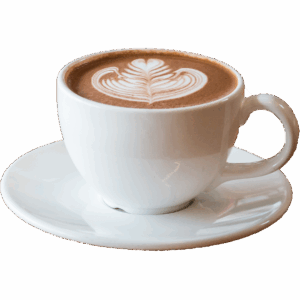 According to the Mayo Clinic, “millions” of people around the world rely on the energy caffeine provides to “stay alert and improve concentration.” Personally, I believe that is too much caffeine. Relying on a caffeinated drink to be awake and alert feels like too much of a dependence for me, but many people around the world operate fine at that baseline.
Children and adolescents are advised to limit coffee and caffeine intake. For adults, one cup coffee a day is safe, unless of course your coffee mug is the size of a bucket. 400 milligrams of caffeine per is the most that is safe for adults- too much caffeine can cause serious health problems!
Be wary of how much coffee you’re drinking. If even a little makes you feel jittery, if you’re not getting enough sleep- the Mayo Clinic advises cutting back. It’s very easy to develop caffeine dependence. Drinking anything daily will cause you to develop a tolerance- and you’ll be more inclined to satisfy an urge to have a daily coffee!
~ Clever Cali